
APPLIED BEHAVIOR ANALYSIS
Creating Connections strives to ensure children reach their full potential. With the goal of supporting language, play, social skills, and school readiness in inclusive settings with peers, CCT delivers instruction in early childhood settings in which interactions, learning, and generalization of skills can occur in typical environments.
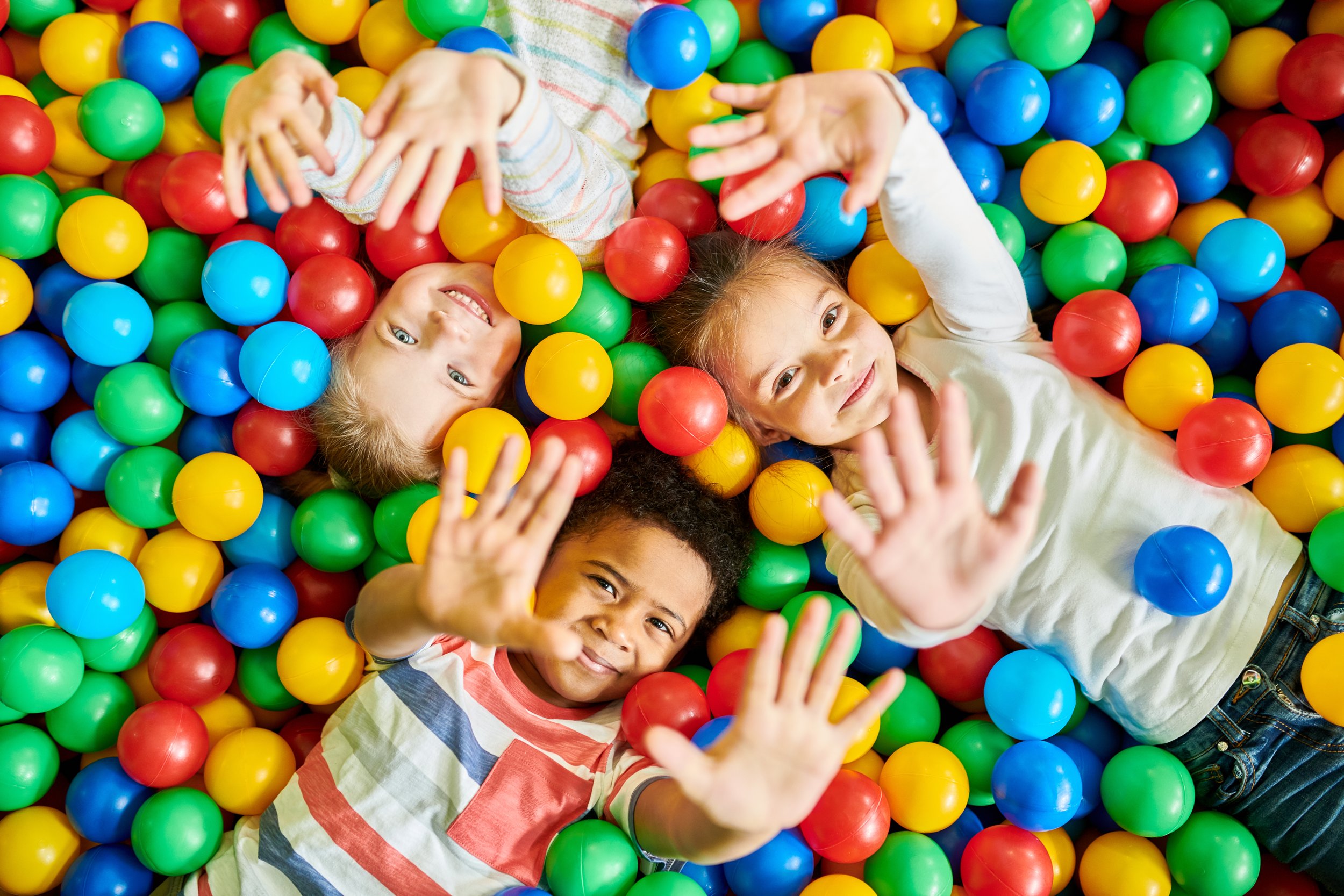
How We Provide ABA
We specialize in early intervention, serving children from diagnosis through approximately six years of age—when the brain is most flexible and responsive to learning.
Our therapy is primarily play-based and grounded in natural environment teaching, meaning children learn through fun, motivating activities that look and feel like real life.
Skills are taught during play, routines, and social interactions, while also incorporating structured teaching when needed to ensure consistent practice and steady progress.

A Collaborative, Whole-Child Approach
Children in our program benefit from a team-based approach.
In addition to ABA therapy, we collaborate closely with speech-language pathologists (SLPs) and occupational therapists (OTs) to support communication, motor skills, sensory regulation, and daily living skills.
This integrated model allows us to address the whole child while keeping therapy engaging, developmentally appropriate, and focused on real-world success.
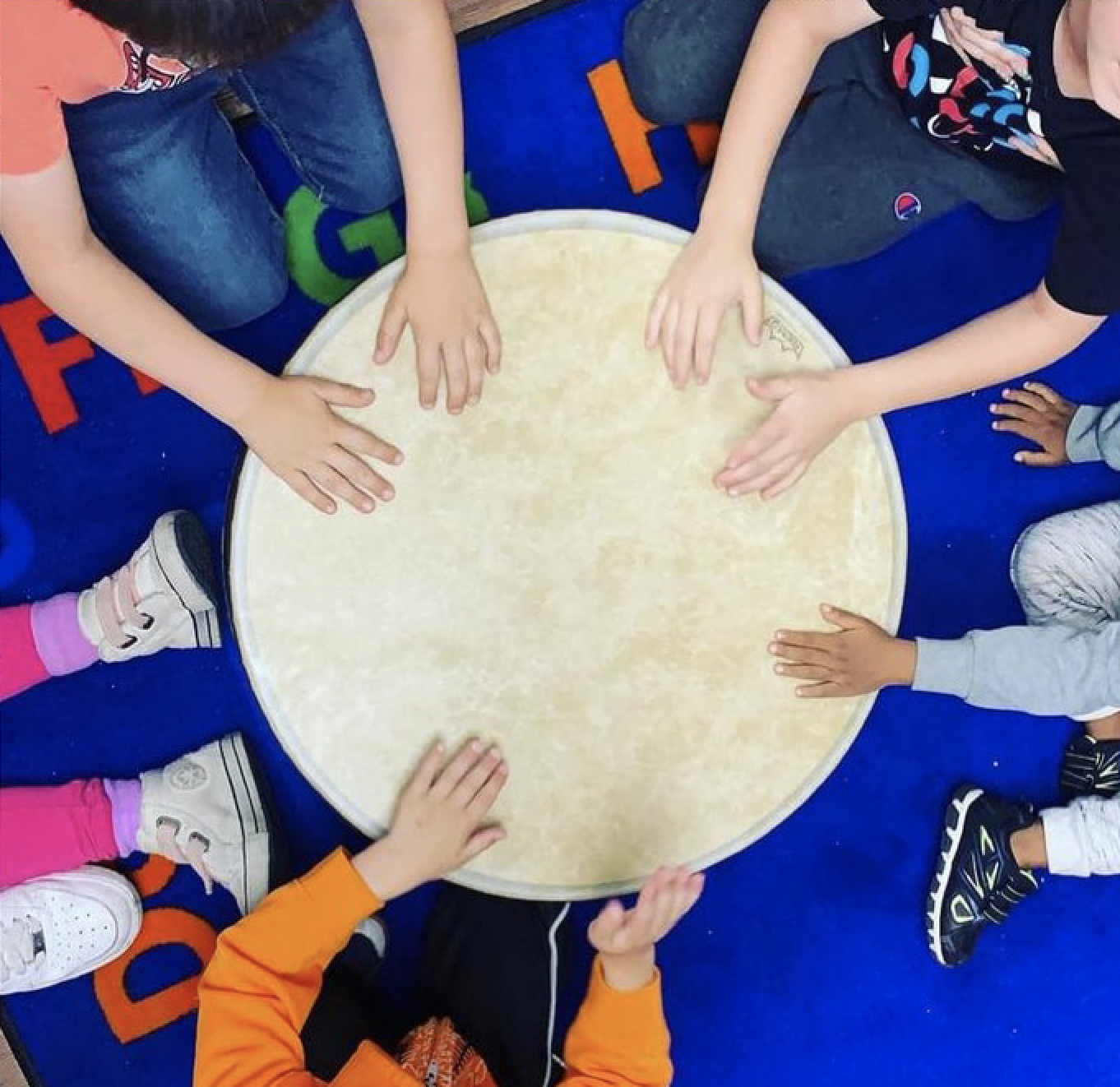
What Is Applied Behavior Analysis (ABA)?
Applied Behavior Analysis (ABA) is an evidence-based therapy that helps young children develop meaningful skills that support learning, communication, and independence.
At its core, ABA is about understanding how children learn and using that knowledge to teach skills in a way that is positive, individualized, and effective.
For young children, this means building strong foundations in language, play, social engagement, and early learning skills that prepare them for school and everyday life.
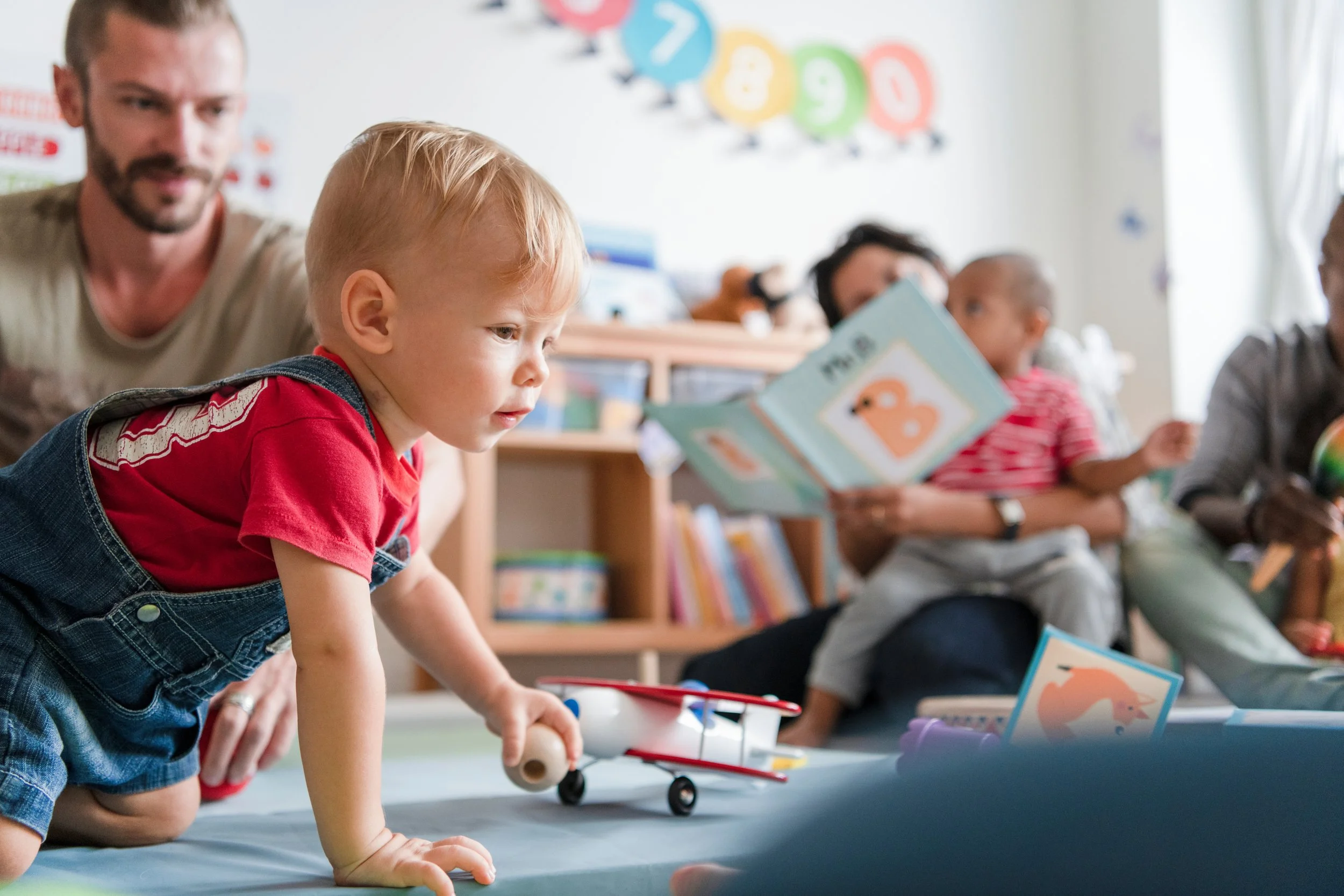
A Strong Focus on Language and Communication
Language development is at the heart of everything we do.
Our programs are heavily informed by verbal behavior principles, with an intentional focus on helping children learn how to communicate—whether through spoken language, alternative communication systems, or a combination of both.
We work to build not just words, but meaningful communication skills: requesting, labeling, answering questions, engaging socially, and using language to learn and connect with others.